
When a cute TV commercial triggered a reputational crisis
by Tony Jaques, Director of Issue Outcomes Pty Ltd, for people who work in issue and crisis management
If you thought Bad Bunny’s half-time performance was the most controversial moment at the Super Bowl in February, you probably missed the story about the advertisement for recovering lost dogs.
The Super Bowl ad was for the doorbell video system Ring. It featured a young girl’s lost puppy being returned after a function called Search Party used AI to scan video from nearby customers for any images of the wandering pet.
The ad was meant to be cute – a heart-warming story about technology reuniting a girl with her dog. Instead, it triggered outrage about intrusive, Orwellian surveillance invading the privacy of unwitting citizens. The headlines say it all:
- Ring is facing intense backlash after using lost puppies as an excuse for AI surveillance (INC magazine)
- Let’s talk about Ring, lost dogs, and the surveillance state (The Verge)
- Ring Super Bowl ad shows Americans how powerful surveillance systems have become. Freaks them out (UCLA)
- Ring is using lost dogs to make the surveillance state adorable (MS Now)
In the aftermath, Amazon, which owns Ring, announced it would cancel a partnership with police tech company Flock Safety, which would have allowed opt-in customers to share specific doorbell videos with local police. Cue further damaging headlines:
- Amazon’s Ring scraps police-notification partnership after backlash over Super Bowl ad about AI-enabled dog Finder (Variety)
- Ring cancels Flock deal after dystopian Super Bowl ad prompts mass outrage (arstechnica.com)
Amazon said the integration with Flock was never completed, and that “no videos were ever shared between these services.” But the damage was done, and the company faced a reputational onslaught.
Ring emphasized that individual customers could opt-out of the video sharing and that the AI had been trained specifically to identify dogs, not people. They added that over 100 Ring customers had recovered their pets in the first 90 days.
However, that message didn’t calm skeptics. Like Democratic Senator Ed Markey, who posted: “This is definitely not about dogs – this is about mass surveillance.” Or the American Civil Liberties Union, who warned: “That power may be applied to puppies today, but where else might it be applied? Searches for people wearing t-shirts with certain political messages on them?”
With online rage posts spreading, Ring CEO and inventor Jamie Siminoff launched a series of TV and newspaper interviews, which the New York Times called an “apology/explanation tour” in response to “a genuine public relations crisis.” Siminoff told sub-stack writer David Pogue: “Ring does not send footage to anyone – dogs or otherwise. You must manually share any relevant video clips, one at a time.” He emphasized that customers can simply turn off the Search Party and Community Requests functions. And he strongly rejected allegations that Ring shared video clips with ICE or any other Federal agency.
While the controversy soon died down, it offers some important lessons for communicators. As Canadian consultant Jeff Chatterton commented: “Ring’s ad didn’t malfunction. Their communications did. The moment you apologize for something that’s true, you confirm every fear the crowd already had. You turn “maybe this is a problem” into “they know it’s a problem.”
In reality, the issue wasn’t AI, but suspicion of AI, plus an apparent communication gap. The company chose to introduce their new capability on the highest-profile advertising platform in the country, reportedly raising no prior alarm about potential downside involving surveillance and privacy.
By the time the CEO hit the media circuit, the negative narrative had already been set. The lesson? The story people fear will always travel faster than the story you tell . . . unless you get there first.
––––––––––––––––––––
A Parting Thought
“The vast majority of crises are avoidable.”
US District Judge Stanley Sporkin
––––––––––––––––––––
Learn more about Reputation Risk, CEO apologies, and Crisis communication in Tony Jaques’ book,
Crisis Counsel: Navigating Legal and Communication Conflict
Click HERE to find Tony’s book at Amazon.com
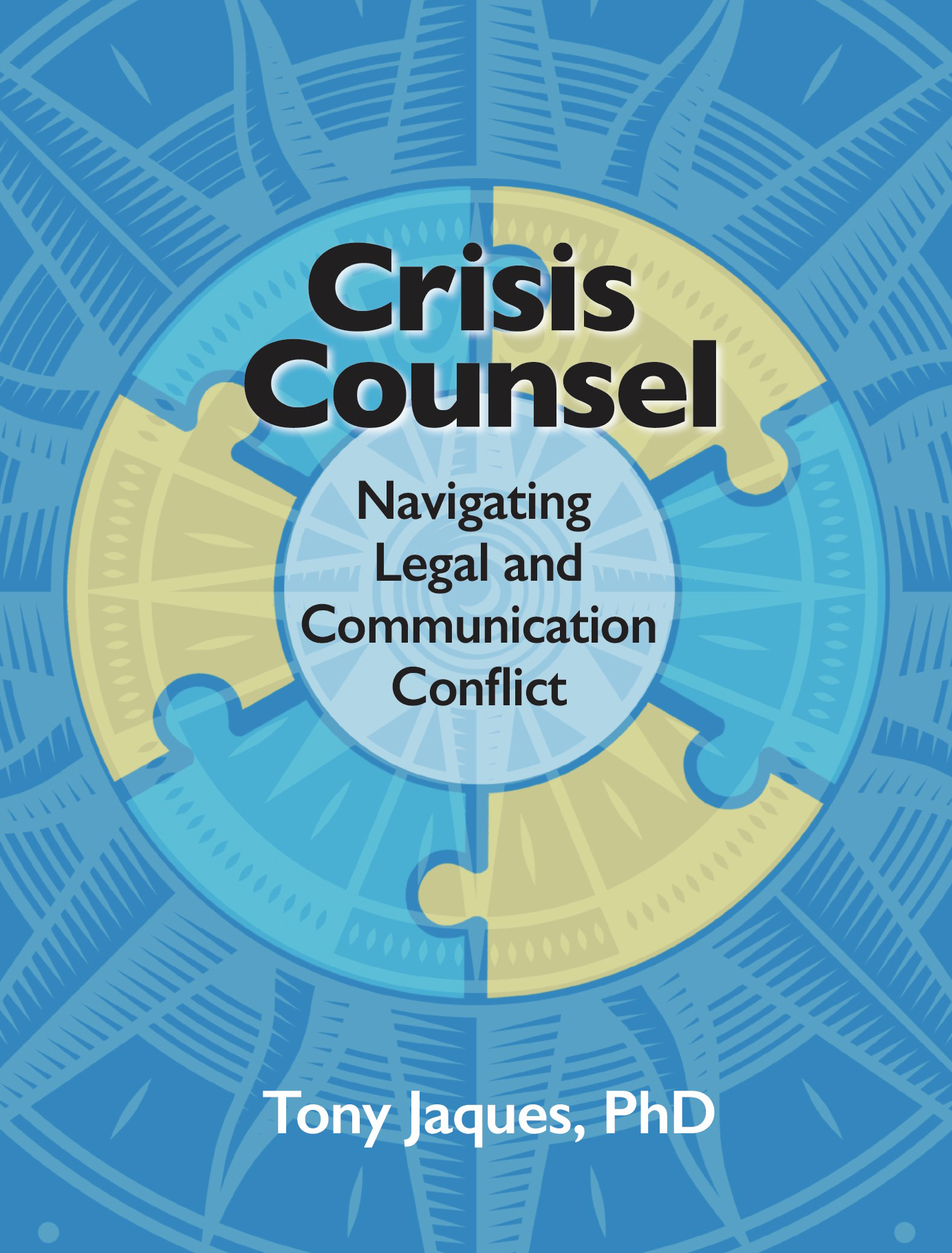
“Crisis Counsel confirms Tony Jacques’ position as one of the industry’s foremost experts on issues and crisis management. In addressing the complex interactions between legal and communication crisis responses, Dr. Jacques provides riveting case studies and practical advice. It highlights the financial and reputation risks of not effectively integrating communications and legal counsel. It should be on every communications practitioner’s reading list, and companies should insist their in-house and external legal counsellors read it.” – Noel Turnbull, Former Chair of Turnbull Porter Novelli, Adjunct Professor, RMIT University.
#reputationrisk #reputationmanagement #issuemanagement #tonyjaques #crisiscommunication #reputationcrisis
